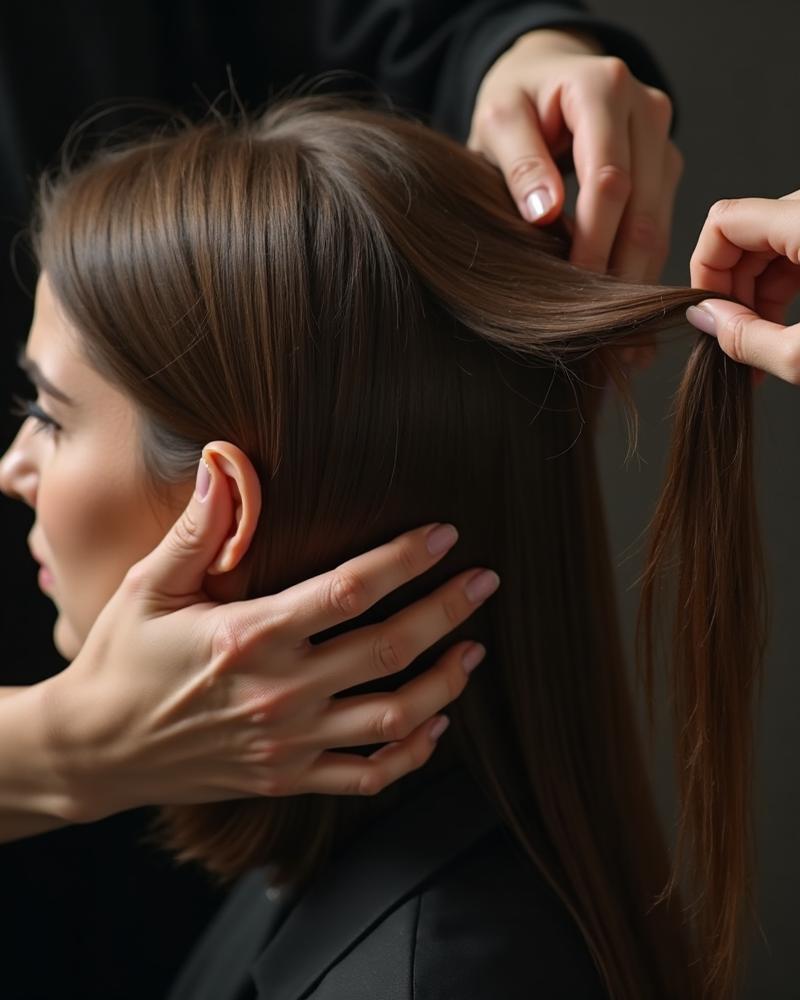
Choosing the best colorist starts with finding someone who can explain how your starting color, previous services, and daily routine affect the result you want. A photograph provides direction, but a useful consultation turns that reference into a workable plan. At Bianchi's Salon & Spa, use that conversation to establish your priorities: brighter dimension, dependable gray coverage, a richer overall shade, or a gradual change that respects the condition of your hair. Explore our hair color & balayage services for the current menus.
At a glance
- Full balayage: about 2½–4 hours; root color typically around 90 minutes.
- Roots or toner: around 6–8 weeks; full balayage: commonly 3–4 months.
- Troy menu: Toner + Blowdry: $85+; Lightening + Blowdry: $165+ Starting prices are not a fixed total.
- Locations with this menu category: Birmingham, Royal Oak, Troy, Clinton Township.
How do you evaluate the Consultation Before the Color Formula?
A productive consultation should cover more than whether you prefer warm or cool hair. Explain what you like about your current color, what bothers you, and how often you realistically want to return.
Bring two or three references and identify the specific detail you want from each: a softer root, brighter ends, or less visible warmth.
Look for explanations rather than confident promises. A colorist should distinguish what may be achievable today from what could require several appointments. Ask how the plan changes if your hair lifts unevenly or feels too fragile for additional lightening. A thoughtful answer may include a smaller first step. That is useful technical judgment, not a failure to understand your inspiration. Also discuss how the finished color will look when you wear your usual part and natural texture.
How do you share Your Full Color and Chemical History?
Previous color remains relevant long after the appointment itself. Tell your colorist about permanent dye, home coloring, lightening, direct pigments, henna, smoothing services, and relaxers. Include approximate dates and identify which lengths received each service.
Hair that looks uniformly brown can contain several different color histories underneath.
Mention breakage, unusual tangling, or areas that feel rough when wet. These observations help guide an assessment, although they cannot replace examining the hair. A strand test may be recommended before a substantial change, particularly when the history is uncertain. Do not conceal a home correction because you are embarrassed; it changes how the next formula should be approached. Bring product packaging or photographs if you cannot remember what you used. Accurate information makes the consultation more practical and the proposed sequence easier to understand.
How do you match the Technique to the Actual Problem?
Root color, highlights, balayage, and toner solve different problems. Base color addresses the regrowth area, often when covering gray or maintaining an established shade. All-over color extends the color plan through the lengths.
Lightening removes pigment to create brightness, while a toner adjusts the tone of appropriately lightened hair; toner is not a substitute for lifting a dark base.
Placement matters as much as the service name. Fine highlights near the part create a different impression from brighter pieces concentrated around the face. Retaining darker strands can make lighter pieces appear more dimensional without lightening everything. Ask your colorist to explain where brightness will begin and how much natural depth will remain. If gray blending is the goal, discuss how much visible gray you are comfortable keeping rather than assuming highlights will provide complete coverage.
How do you understand Formulation and Realistic Color Changes?
A formula must account for natural depth, existing artificial pigment, underlying warmth, and porosity. Previously lightened ends may absorb tone differently from newer growth, so one mixture applied everywhere is not always appropriate.
Sectioning and application order help the colorist manage those differences. Processing should follow the chosen product's directions and ongoing assessment, not an arbitrary deadline.
Major changes deserve particular care. Moving from dark permanent color to a pale blonde may require removing artificial pigment and reassessing between stages. Returning very light hair to a deeper shade can require replacing missing warm tones before the final color is applied. Ask what the intermediate stages might look like. Agreeing on an acceptable first result prevents a consultation from becoming an all-or-nothing discussion about a photograph that may reflect a very different starting point.
How do you read the Color Menu Without Assuming Inclusions?
Bianchi's lists Base Color (Root Touch Up) at $115+ and All Over Color (Pull Through) at $140+. Lightening + Blowdry starts at $165+, while Toner + Blowdry starts at $85+. Lightening + Color + Blowdry is $240+.
Corrective Color is listed as Consult, so a correction needs an individual discussion rather than a guessed starting total.
These are distinct menu entries, not interchangeable descriptions of every color appointment. Ask which entry fits the proposed work and whether your plan requires additional services. The plus sign indicates a starting price, not a guaranteed total. Request an estimate before proceeding and clarify whether a haircut is part of the selected service. Describe your history when arranging the appointment so the salon can help identify an appropriate consultation and service length.
How do you build a Maintenance Schedule You Can Sustain?
Maintenance depends on placement and contrast. Strong gray coverage or a noticeable difference between natural roots and colored lengths can make regrowth visible sooner than softly blended dimension.
As a planning conversation, root maintenance may fall around four to six weeks, while dimensional lightening may be spaced farther apart. Your colorist should tailor that interval rather than treating it as a rule.
Tone can change before the placement needs refreshing. Ask whether a toner appointment makes sense instead of automatically repeating lightening. At home, cleanse according to your scalp's needs, condition the lengths, and use heat protection before hot tools. Purple or blue shampoo should be selected for the unwanted tone and used as directed; more frequent use is not automatically better. Mention swimming, frequent outdoor exposure, and heavy heat styling when discussing care.
How do you plan the Appointment Around Your Calendar?
Color timing includes consultation, application, processing, rinsing, and finishing. A complex lightening service or correction can take several hours, and some changes need separate visits.
Ask for an estimated appointment duration instead of fitting a major change into a short lunch break. For an important event, discuss color well beforehand so there is room to evaluate the result and adjust the plan if needed.
Bianchi's has locations in Birmingham, Royal Oak, Troy, and Clinton Township. Choose a location and schedule that also work for future maintenance. Downtown Birmingham and Royal Oak visits require planning for metered parking and the walk to the salon. Before leaving your consultation, make sure you understand the proposed service, estimated cost, likely first result, and next maintenance step. Those specifics are more useful than a promise of perfect color.
Salon appointment planning
Review hair color & balayage at our Troy salon for local prices, hours and parking. Compare the Metro Detroit hair color & balayage menu before choosing a location.
Continue reading: Balayage in Metro Detroit: Technique, Maintenance and Pricing at Bianchi’s.
Metro Detroit salon locations
Bianchi's Salon of Birmingham
View Location Details →Bianchi's Salon of Royal Oak
View Location Details →Bianchi's Salon of Troy
View Location Details →Bianchi's Salon & Spa of Clinton Township
View Location Details →Hair and beauty services
Your next salon visit
Choose the location and service that fit your appointment and maintenance plans.